
Description
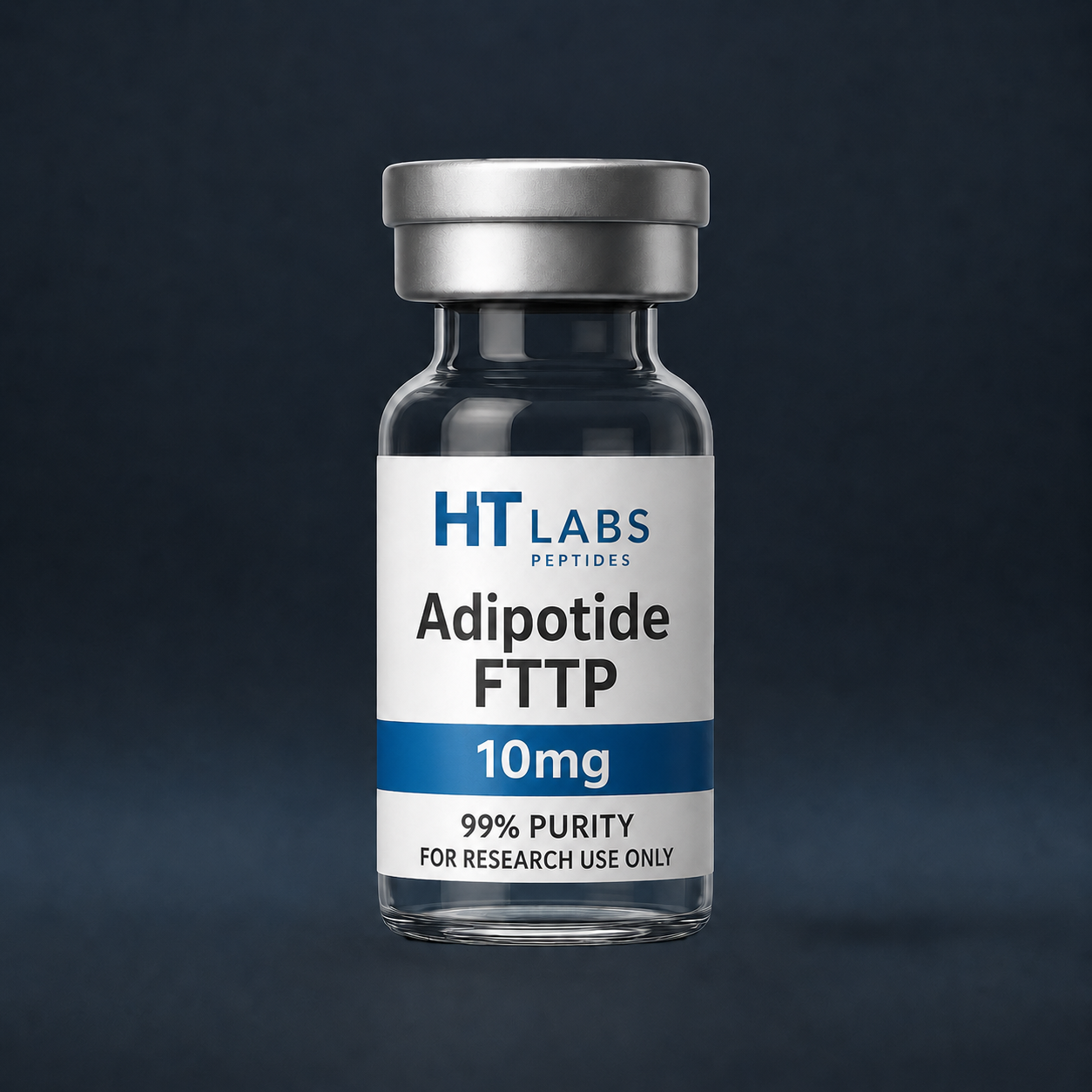
Adipotide FTTP – Advanced Research Peptide for Metabolic and Adipose Tissue Studies
Adipotide FTTP is a specialized research peptide that has attracted significant interest within the scientific community due to its unique interaction with adipose tissue. Designed for laboratory and investigational applications, this peptide is frequently explored in studies related to metabolic function, fat tissue biology, vascular targeting, and obesity-related research models. As researchers continue to investigate innovative approaches to understanding energy regulation and adipose tissue dynamics, Adipotide FTTP remains a valuable compound for advanced scientific exploration.
Unlike conventional compounds that broadly affect multiple biological systems, Adipotide FTTP has been examined for its targeted mechanism of action. Consequently, many laboratories include this peptide in research programs focused on adipocyte behavior, tissue-specific responses, and metabolic pathways. Furthermore, its distinctive structure has made it a notable subject in ongoing preclinical investigations.
Because scientific knowledge continues to evolve, Adipotide FTTP is primarily intended for research purposes. Therefore, researchers can utilize this peptide as part of controlled experimental protocols designed to generate meaningful biological insights.
What Is Adipotide FTTP?
Adipotide FTTP is a synthetic peptide developed for experimental and laboratory research. It consists of a targeted peptide sequence that has been investigated for its potential interaction with blood vessels supplying adipose tissue. As a result, researchers often study the compound when examining the relationship between vascular networks and fat tissue function.
In addition, the peptide has gained recognition because it offers a unique model for evaluating tissue-selective biological processes. While many compounds affect numerous tissues simultaneously, Adipotide FTTP has been explored for its more focused activity profile. Consequently, it serves as an important tool in studies involving adipose tissue physiology and metabolic regulation.
Researchers frequently employ Adipotide FTTP in controlled laboratory environments where precise experimental conditions can be maintained. Moreover, the peptide may support investigations aimed at understanding how specific biological pathways influence body composition, cellular signaling, and energy balance.
Key Features of Adipotide FTTP
Targeted Research Applications
One of the most notable characteristics of Adipotide FTTP is its relevance to targeted adipose tissue research. Rather than serving as a general biological compound, it is often selected for studies that require a focused investigative approach. Therefore, researchers can evaluate specific pathways without introducing unnecessary variables.
High Research Interest
Over the years, Adipotide FTTP has generated substantial interest among scientists studying metabolic disorders and adipose tissue biology. Furthermore, numerous preclinical investigations have examined its potential role within experimental models, making it a frequently referenced peptide in related scientific discussions.
Consistent Laboratory Utility
Researchers value compounds that offer consistency and reproducibility. Accordingly, Adipotide FTTP is commonly utilized in structured laboratory protocols where repeatable outcomes are essential for reliable data collection.
Suitable for Advanced Investigations
Because of its unique biological profile, Adipotide FTTP is often included in advanced research programs. In particular, investigators exploring obesity mechanisms, fat tissue vascularization, and metabolic signaling pathways may find the peptide relevant to their objectives.
Scientific Interest in Adipose Tissue Research
Adipose tissue is far more than a simple storage site for excess energy. Instead, it functions as a dynamic biological system that participates in hormonal regulation, cellular communication, and metabolic control. Consequently, researchers continue to seek deeper insights into how adipose tissue influences overall physiological processes.
Adipotide FTTP has emerged as a compound of interest within this field because it enables targeted exploration of adipose tissue-related mechanisms. Furthermore, scientific studies frequently examine how vascular structures support the growth and maintenance of fat tissue. As a result, compounds that interact with these pathways often become valuable research tools.
In modern metabolic research, understanding adipose tissue function is increasingly important. Therefore, investigators use specialized compounds such as Adipotide FTTP to evaluate complex biological interactions that may otherwise remain difficult to study.
Benefits for Research Laboratories
Supports Specialized Study Designs
Research laboratories often require compounds that align with highly specific scientific objectives. Adipotide FTTP meets this need by offering a focused avenue for adipose tissue investigation. Consequently, researchers can design experiments that concentrate on defined biological targets.
Encourages Mechanistic Exploration
Scientific progress depends on understanding mechanisms rather than simply observing outcomes. Therefore, Adipotide FTTP is frequently incorporated into studies designed to uncover the processes that regulate adipose tissue behavior and metabolic function.
Compatible with Diverse Research Models
Another advantage is its adaptability across multiple research settings. For example, investigators may integrate Adipotide FTTP into studies examining cellular responses, tissue interactions, or broader metabolic pathways. As a result, the peptide supports a wide range of experimental objectives.
Valuable for Emerging Research Areas
The scientific landscape continues to evolve rapidly. Consequently, compounds that contribute to innovative research approaches remain highly valuable. Adipotide FTTP has attracted attention because it aligns with emerging interests in precision-targeted biological investigations.
Quality and Research Standards
High-quality research begins with reliable materials. Therefore, laboratories seeking reproducible outcomes often prioritize compounds that meet stringent quality standards. Adipotide FTTP is typically handled within research environments where purity, consistency, and accurate characterization are considered essential.
Furthermore, scientific integrity depends on careful handling and proper storage procedures. As a result, researchers are encouraged to follow established laboratory guidelines when working with peptide-based compounds. By maintaining rigorous standards, laboratories can maximize data quality and improve experimental reliability.
In many research settings, peptide materials are evaluated through established analytical procedures. Consequently, consistency can be verified before incorporation into experimental protocols. This approach helps ensure dependable research outcomes while supporting scientific excellence.
Applications in Metabolic Research
Metabolic research remains one of the most active areas of modern science. As obesity rates continue to rise globally, researchers seek a deeper understanding of the biological systems that regulate energy storage and utilization. Therefore, specialized compounds such as Adipotide FTTP have become increasingly relevant.
Investigators often explore how adipose tissue communicates with other physiological systems. Moreover, they examine how vascular networks influence tissue growth and metabolic activity. Because Adipotide FTTP has been associated with these research interests, it is frequently included in experimental studies designed to evaluate such interactions.
Additionally, researchers may investigate cellular signaling pathways that contribute to metabolic regulation. Consequently, the peptide serves as a useful tool for generating data that may advance scientific knowledge in this complex field.
Why Researchers Choose Adipotide FTTP
Researchers select Adipotide FTTP for several important reasons. First, it offers a distinctive mechanism that aligns with specialized adipose tissue studies. Second, it supports targeted experimental designs that focus on specific biological processes. Third, it continues to attract scientific interest due to its relevance within metabolic and obesity-related research.
Furthermore, the peptide is often chosen because it contributes to investigations that require a deeper understanding of tissue-specific interactions. As scientific methods become more sophisticated, compounds capable of supporting precise research objectives gain increasing value.
Another factor is the growing demand for innovative research tools. Consequently, Adipotide FTTP remains an important option for laboratories seeking compounds that complement advanced metabolic and physiological investigations.
Storage and Handling Considerations
Proper storage and handling practices play a critical role in maintaining peptide stability. Therefore, researchers should follow all applicable laboratory protocols and manufacturer recommendations. In addition, controlled storage conditions help preserve material integrity throughout the research process.
The peptide should be handled using appropriate scientific procedures. Furthermore, contamination should be avoided to maintain research accuracy. By adhering to established best practices, laboratories can support consistent experimental performance and reliable results.
Research Use Statement
Adipotide FTTP is intended exclusively for laboratory research and scientific investigation. It is not approved for human consumption, medical treatment, diagnostic use, or therapeutic application. Therefore, the compound should only be utilized by qualified professionals operating within appropriate research environments.
All experimental work should be conducted in accordance with applicable regulations, institutional policies, and laboratory safety standards. Furthermore, researchers should carefully review available scientific literature before designing studies involving this peptide.
Conclusion
Adipotide FTTP stands out as a highly specialized research peptide that continues to attract attention within the fields of metabolic science, adipose tissue biology, and targeted physiological investigation. Its distinctive research profile, combined with its relevance to adipose tissue studies, makes it a valuable resource for laboratories seeking advanced experimental tools.
Moreover, the peptide supports a broad range of scientific objectives, including investigations into tissue-specific mechanisms, metabolic regulation, and vascular-adipose interactions. Consequently, researchers across multiple disciplines continue to explore its potential applications in controlled laboratory settings.
For organizations and laboratories committed to advancing scientific understanding, Adipotide FTTP represents a compelling addition to modern research programs. By supporting focused experimentation and detailed biological analysis, this peptide contributes to the ongoing pursuit of knowledge in one of the most important areas of contemporary biomedical research.



Reviews
There are no reviews yet.