Description
Introduction: The Evolution of Peptide Research
Peptide science has advanced remarkably over the past decade, transforming from a niche area of molecular biology into a cornerstone of regenerative research. Among the most exciting developments is the emergence of combination peptide therapies strategic blends designed to target multiple biological pathways simultaneously. The Glow BPC 157 +GHK-CU+TB500 represents the culmination of this approach, uniting three of the most extensively researched regenerative peptides into a single, synergistic formulation.
This blend combines BPC-157, TB-500 (Thymosin Beta-4 fragment), and GHK-Cu (Copper Tripeptide) in carefully calibrated ratios. Each component brings distinct mechanisms of action to the table, yet together, they create a coordinated assault on inflammation, tissue degradation, and cellular aging. The result is a research tool that addresses virtually every pathway involved in tissue regeneration from angiogenesis and cell migration to collagen synthesis and antioxidant defense.
Before delving into the science, it is essential to emphasize that this product is intended exclusively for research and laboratory use. These compounds are investigational and are not FDA-approved for human therapeutic or cosmetic applications. All studies and references cited herein are derived from preclinical research and should be interpreted within that context.
Understanding the Individual Components
BPC-157: The Healing Accelerator
BPC-157 (Body Protection Compound-157) is a 15-amino-acid peptide originally isolated from human gastric juice. Its discovery sparked significant scientific interest due to its remarkable ability to accelerate tissue repair across multiple organ systems. Preclinical studies have demonstrated BPC-157’s regenerative potential in tendons, ligaments, muscles, nerves, and gastrointestinal lining.
Mechanisms of Action
BPC-157 operates through several interconnected pathways that promote healing at the cellular level:
– Angiogenesis Promotion: BPC-157 stimulates the formation of new blood vessels through modulation of vascular endothelial growth factor (VEGF) signaling. This process is essential for delivering oxygen and nutrients to damaged tissues, creating the foundation for effective repair.
– Nitric Oxide Modulation: The peptide regulates nitric oxide (NO) synthesis, which plays a critical role in blood vessel dilation, immune response, and tissue repair. By balancing NO levels, BPC-157 helps control inflammation while supporting healing.
– Fibroblast Activation: BPC-157 increases growth hormone receptor expression on fibroblasts the cells primarily responsible for tissue repair following injury. This localized effect enhances healing without the risks associated with systemic growth hormone elevation.
– Extracellular Matrix Remodeling: The peptide promotes collagen deposition and structural reorganization of damaged tissues, improving functional outcomes in tendon and ligament repair studies.
– Anti-Inflammatory Effects: Research demonstrates BPC-157’s ability to downregulate proinflammatory cytokines and restore control over dysregulated inflammatory processes. In preclinical models, it has shown remarkable efficacy in conditions ranging from interstitial cystitis to soft tissue injuries.
Research Applications
BPC-157 is being investigated for applications in:
– Tendon and ligament repair
– Muscle regeneration following injury
– Gastrointestinal health and gut barrier integrity
– Post-surgical recovery acceleration
– Chronic wound healing
TB-500 (Thymosin Beta-4 Fragment): The Tissue Regeneration Specialist
TB-500 is a synthetic peptide fragment derived from Thymosin Beta-4 (Tβ4), an endogenous protein that is naturally upregulated in response to tissue injury. This 43-amino-acid peptide has garnered significant attention in regenerative medicine for its ability to orchestrate healing through multiple mechanisms.
Mechanisms of Action
– Cell Migration and Cytoskeletal Repair: TB-500 promotes actin polymerization, which is essential for cell migration. This process allows repair cells to travel to injury sites more efficiently, accelerating the healing response.
– Angiogenesis: Like BPC-157, TB-500 stimulates new blood vessel formation through VEGF upregulation. This complementary mechanism amplifies the vascularization effects seen with BPC-157, creating a more robust healing environment.
– Inflammation Resolution: TB-500 inhibits the production of key proinflammatory cytokines, including TNF-α and interleukin-6. These molecules are critical in initiating and perpetuating inflammatory responses. By reducing their signaling, TB-500 helps prevent chronic inflammation that can delay healing.
– Scar Prevention: Research indicates that TB-500 may help prevent excessive scar tissue formation by modulating the inflammatory response and promoting organized tissue remodeling rather than fibrotic deposition.
– Satellite Cell Activation: TB-500 activates satellite cells stem cells that differentiate into the cells necessary for tissue repair. This enhances the body’s natural regenerative capacity.
Research Applications
TB-500 is being studied for its potential in:
– Musculoskeletal injury recovery
– Wound healing and dermal repair
– Post-surgical tissue regeneration
– Cardiac repair in preclinical models
– Anti-inflammatory applications
GHK-Cu (Copper Tripeptide): The Skin and Connective Tissue Restorer
GHK-Cu (Glycyl-L-Histidyl-L-Lysine Copper) is a naturally occurring copper-binding peptide found in human plasma. It is perhaps the most well-known of the three components due to its extensive research in dermatology and aesthetic medicine. However, its applications extend far beyond surface-level benefits.
Mechanisms of Action
– Collagen and Elastin Stimulation: GHK-Cu signals fibroblasts to produce collagen and elastin—the proteins responsible for skin firmness, elasticity, and structural integrity. This effect helps combat the natural decline in these proteins that occurs with aging.
– Wound Healing Acceleration: Studies demonstrate that GHK-Cu accelerates wound closure and improves the quality of healed tissue. It achieves this by modulating matrix metalloproteinases (MMPs), which are enzymes involved in tissue remodeling.
– Antioxidant Defense: GHK-Cu acts as a free radical scavenger, neutralizing reactive oxygen species that can damage cells and extracellular matrix. This antioxidant activity helps reduce inflammation and prevent collateral damage during healing.
– Anti-Inflammatory Effects: Similar to TB-500, GHK-Cu suppresses TNF-α and interleukin-6 signaling, complementing the anti-inflammatory actions of the other components in the stack.
– Hair Follicle Support: Research suggests GHK-Cu may improve blood flow to hair follicles and stimulate the cells responsible for hair growth, making it a potential tool for hair health research.
– Gene Expression Modulation: GHK-Cu influences the expression of approximately 32% of the human genome, affecting genes involved in tissue remodeling, antioxidant defense, and cellular repair.
Research Applications
GHK-Cu is being investigated for:
– Skin rejuvenation and anti-aging research
– Wound healing and scar modulation
– Hair growth and scalp health studies
– Connective tissue repair
– Post-procedure recovery acceleration
Synergistic Effects: Why the GLOW Stack Exceeds Individual Peptides
The true power of the GLOW Peptide Stack emerges from the synergy between its three components. Individually, each peptide is impressive; together, they create a comprehensive healing cascade that addresses tissue repair from multiple angles simultaneously.
Coordinated Angiogenesis
BPC-157 and TB-500 both promote VEGF-mediated vascularization through slightly different pathways. This dual approach creates a more robust angiogenic response than either peptide alone. Meanwhile, GHK-Cu enhances endothelial cell proliferation, further supporting blood vessel formation. The result is improved blood flow to damaged tissues, ensuring that oxygen and nutrients reach repair sites efficiently.
Enhanced Cell Migration and Matrix Remodeling
TB-500’s ability to promote actin polymerization and cellular motility works in concert with BPC-157’s fibroblast activation and GHK-Cu’s extracellular matrix remodeling. This coordinated effort speeds the arrival of repair cells to injury sites while simultaneously creating the structural framework necessary for effective healing.
Multifaceted Inflammation Control
Chronic inflammation is a primary driver of poor healing outcomes. The Glow BPC 157 +GHK-CU+TB500attacks this problem through complementary mechanisms:
– BPC-157 regulates nitric oxide synthesis and restores control over dysregulated inflammatory processes
– TB-500 inhibits TNF-α and interleukin-6 signaling
– GHK-Cu scavenges free radicals and also suppresses TNF-α and interleukin-6 signaling
This three-pronged approach creates a powerful anti-inflammatory effect while minimizing the risk of side effects associated with higher doses of any single agent.
Accelerated Tissue Repair
By simultaneously increasing growth hormone receptor expression on fibroblasts (BPC-157), stimulating collagen deposition (TB-500), and reducing oxidative damage (GHK-Cu), the GLOW stack creates an environment where tissue repair can proceed at an accelerated pace. Research suggests that BPC-157 alone can reduce recovery timelines by up to 80% in certain models; the addition of TB-500 and GHK-Cu likely amplifies this effect.
Comprehensive Regenerative Coverage
Each peptide targets different stages of the healing process:
– BPC-157 directs soft tissue repair across tendons, ligaments, muscles, and gut lining
– TB-500 accelerates cell migration to injury sites and prevents excessive scar tissue formation
– GHK-Cu drives collagen and elastin production for tissue tightening, wound healing, and anti-aging benefits
Together, they cover virtually every pathway involved in tissue regeneration not just healing, but rebuilding from the inside out.
The Science Behind Peptide Synergy
The molecular pathways activated by the Glow BPC 157 +GHK-CU+TB500 are complex and interconnected. Understanding these pathways provides insight into why this combination is so effective for research applications.
PI3K/Akt and MAPK Pathways
Both BPC-157 and TB-500 influence the PI3K/Akt and MAPK signaling cascades, which promote fibroblast proliferation, collagen synthesis, and angiogenesis. Activation of these pathways is critical for effective tissue repair and regeneration.
TGF-β Signaling
BPC-157 and GHK-Cu both modulate TGF-β signaling, which orchestrates extracellular matrix remodeling. This pathway is essential for organized tissue repair and prevention of dysfunctional scar formation.
NF-κB Inhibition
All three peptides contribute to the regulation of NF-κB, a protein complex that controls inflammation and immune responses. By inhibiting NF-κB signaling, the GLOW stack helps resolve inflammation more efficiently.
Integrin-FAK Signaling
BPC-157 and TB-500 influence integrin-FAK signaling, which is critical for cell adhesion, migration, and survival. This pathway supports the cytoskeletal remodeling necessary for effective tissue repair.
eNOS-Driven Nitric Oxide Release
BPC-157’s modulation of endothelial nitric oxide synthase (eNOS) supports revascularization and immune modulation, creating a healing-friendly environment.
Research Applications and Protocols
The Glow BPC 157 +GHK-CU+TB500 is being investigated across multiple research domains. Understanding these applications can help researchers design appropriate studies and protocols.
Musculoskeletal Injury Research
Preclinical studies have explored the stack’s potential for accelerating recovery from:
– Tendon and ligament injuries
– Muscle tears and strains
– Post-surgical repair (including rotator cuff and ACL reconstruction)
– Chronic soft-tissue injuries
A case series of 17 patients reported reduced symptoms in over 90% of participants following intra-articular knee BPC-157 injections for tendon and ligament injuries.
Dermatological Research
The GLOW stack is being studied for its effects on:
– Skin quality, texture, and elasticity
– Wound healing and scar modulation
– Hair follicle health and growth
– Anti-aging and skin rejuvenation
GHK-Cu, in particular, has been widely studied for its ability to soften fine lines, even out skin tone, reduce redness, and bolster firmness and elasticity.
Anti-Inflammatory Research
The stack’s potent anti-inflammatory properties make it a subject of interest for:
– Chronic inflammation research
– Autoimmune condition modeling
– Neuroinflammation studies
Post-Procedure Recovery Research
Due to its tissue repair and recovery-focused benefits, the GLOW stack is commonly studied in the context of:
– Post-laser recovery
– Post-microneedling recovery
– Post-chemical peel recovery
– General surgical recovery acceleration
Dosing and Administration Considerations
For research purposes, typical protocols suggest the following guidelines (Note: These are investigational parameters only and not medical advice):
Standard Ratios
The GLOW blend typically contains:
– GHK-Cu: 50mg (the dominant component)
– BPC-157: 10mg
– TB-500: 10mg
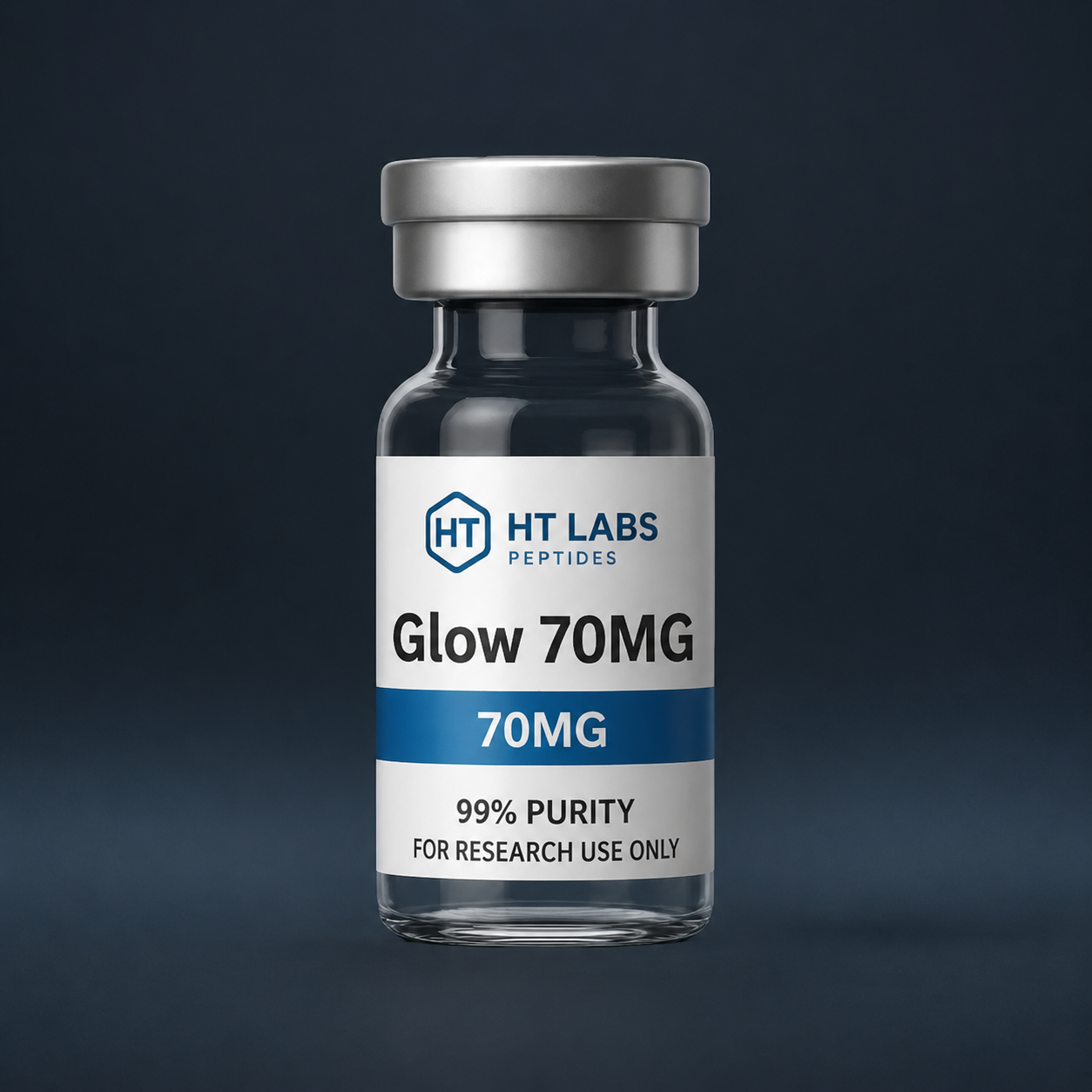
Common total blend sizes include 30mg (5mg/5mg/20mg) and 70mg (10mg/10mg/50mg).
Typical Dosing Ranges
While specific protocols vary, typical research dosages range from:
– BPC-157: 200–500 mcg daily
– TB-500: Research doses often mirror BPC-157 ranges
– GHK-Cu: Often used at 1–2mg daily (in combination protocols)
Administration Routes
For research purposes, subcutaneous injection is the most common route of administration. This method bypasses digestive processes and allows for direct entry into the systemic circulation, potentially increasing bioavailability compared to oral routes.
Cycle Protocols
Typical research cycles follow a pattern of:
– 4–8 weeks of administration
– Followed by 2–4 weeks of rest
– This cycling approach may help prevent receptor downregulation and maintain responsiveness
Results from research models typically become observable within 4–6 weeks, with peak effects around 8–12 weeks.
Safety and Regulatory Considerations
Regulatory Status
It is critical to understand that the Glow BPC 157 +GHK-CU+TB500 components are not FDA-approved for human therapeutic or cosmetic use. They are research compounds intended for laboratory and preclinical investigation only.
– BPC-157, TB-500, and GHK-Cu are classified as investigational peptides
– They are not approved for the diagnosis, treatment, or prevention of any disease
– They should not be administered to humans without proper regulatory authorization
WADA Status
BPC-157 is listed as a prohibited substance by the World Anti-Doping Agency (WADA), reflecting its potential performance-enhancing effects. Researchers should be aware of this status when designing studies involving athletic populations.
Quality and Sourcing
Research indicates that 75% of investigators cite sourcing quality as a top concern when acquiring peptides. To ensure reliable research results, it is essential to:
– Source peptides from reputable suppliers
– Require Certificates of Analysis (COAs) for all compounds
– Verify purity and identity through independent testing when possible
Theoretical Considerations
While preclinical studies have shown promising results, it is important to acknowledge:
– There is a current lack of large-scale human clinical trials
– Most evidence comes from rodent models, case series, and in vitro studies
– Long-term safety data remains limited
Some theoretical considerations include:
– The potential for aberrant tumorigenesis in dysplastic tissues (though some studies suggest these peptides may actually inhibit tumor growth in certain cell lines)
– The need for continued safety monitoring as research interest expands
Frequently Asked Questions
What is the GLOW Peptide Stack?
The Glow BPC 157 +GHK-CU+TB500 is a research peptide blend combining BPC-157, TB-500, and GHK-Cu. It is designed for investigating tissue repair, skin regeneration, and systemic recovery across multiple biological systems.
How do the peptides work together?
Each peptide targets different pathways skin structure, inflammation control, and cellular repair creating a synergistic effect that amplifies their individual benefits.
Is the GLOW stack approved for human use?
No. These compounds are investigational and are not FDA-approved for cosmetic or medical use. They should only be used in research settings under appropriate protocols.
What is the typical ratio of components?
A common ratio is GHK-Cu (50mg) + BPC-157 (10mg) + TB-500 (10mg), though formulations vary.
What research applications are being explored?
The stack is being studied for musculoskeletal injury recovery, dermatological applications, post-procedure healing, and systemic inflammation research.
How long does it take to observe effects in research models?
Some studies report changes within weeks, while deeper tissue-level effects may take several months, depending on the model and protocol.
Conclusion
The GLOW Peptide Stack represents a significant advance in combination peptide research. By uniting BPC-157, TB-500, and GHK-Cu three of the most extensively studied regenerative peptides this blend creates a comprehensive tool for investigating tissue repair, inflammation modulation, and cellular regeneration.
The synergistic effects of these compounds are well-supported by preclinical evidence. Their complementary mechanisms of action address virtually every pathway involved in healing, from angiogenesis and cell migration to collagen synthesis and antioxidant defense. For researchers studying musculoskeletal recovery, skin regeneration, or systemic inflammation, the Glow BPC 157 +GHK-CU+TB500 offers a unified approach that surpasses what any single peptide can achieve.
However, it is crucial to emphasize that this product is an investigational research tool, not an approved therapeutic. All applications should be conducted within appropriate regulatory frameworks, and researchers must ensure they are sourcing peptides from reliable suppliers with verified quality standards.
The future of peptide research is bright, and combination approaches like the Glow BPC 157 +GHK-CU+TB500 are at the forefront of this exciting field. As our understanding of peptide synergy continues to evolve, so too will our ability to harness these powerful molecules for the benefit of science and, eventually, human health.
Mark Greatness –
This was my first time using a triple-peptide combination in our research, and I have to say I’m thoroughly impressed. The GLOW stack has streamlined our protocols significantly. Instead of managing three separate peptide vials with different dosing schedules, we now have everything in one convenient blend. The reconstitution was simple—just added bacteriostatic water, swirled gently, and it was ready to go. Our preliminary results suggest enhanced cellular migration and reduced inflammatory markers compared to our single-peptide trials. The blend appears stable over the course of our 4-week study window. Customer service was responsive when we had questions about storage recommendations. Definitely planning to reorder for our next study phase